Key Takeaways:
After years of slicked-back buns, glazed skin, and wellness-fueled minimalism, beauty is embracing a darker, more grunge-led mood. Smudged eyeliner, bleached brows, lived-in hair, and an overall sense of deliberate dishevelment are replacing the polished perfection of the "clean girl" era. But the resurgence of grunge beauty isn't simply about aesthetics. It's a reflection of a broader cultural rejection of aspiration, optimization, and the pressure to perform perfection.
"A number of socio-economic trends are surfacing to drive a grungier, grittier, and more edgy version of beauty," Lisa Payne, Head of Beauty Trends at Stylus, told BeautyMatter. "Consumers are tired of the 'clean girl' aesthetic, especially its rigidity and wholesome undertones."
The movement has been building across fashion, beauty, and popular culture. "The looks on the catwalks have even evolved over the years, with grungier finishes and moodier vibes," Payne noted, citing the ongoing influence of celebrities like Charli XCX that embrace partying, smoking, and a rejection of clean-living restrictions, normalizing a lifestyle that openly ignores wellness orthodoxy and self-improvement culture.
While grunge may feel like a reaction to today's wellness culture, the aesthetic has long occupied a complicated place within fashion and beauty.
The original grunge movement emerged from Seattle's music scene in the late 1980s and early 1990s, championed by bands like Nirvana and Pearl Jam. Its visual language—smudged eyeliner, unwashed hair, thrift-store flannels, and an overall disregard for polish—stood in direct opposition to the excess and glamour of the preceding decade.
Fashion famously attempted to commercialize the movement in 1992 when Marc Jacobs sent his now-legendary grunge collection down the runway for Perry Ellis. Inspired by the era's anti-fashion attitude, the collection featured slip dresses with combat boots, oversized knits, and intentionally disheveled styling. Though controversial at the time, the collection would go on to become one of the most influential runway moments in fashion history, cementing grunge's place in the mainstream.
More than three decades later, beauty finds itself in a similar moment. Once again, consumers are embracing an aesthetic rooted in rebellion, but this time the rebellion isn't against glamour. It's against perfection.
The mood extends far beyond makeup.
This year's cultural landscape has been marked by a growing desire for authenticity over aspiration. Conversations around "bed rotting," Diet Coke culture, and the rejection of hyper-optimized lifestyles have proliferated online.
At Coachella, Justin Bieber's appearance drew attention not for elaborate production or spectacle, but for its vulnerability. The performance felt refreshingly unpolished in an era defined by carefully curated personal brands, reflecting the same appetite for authenticity that’s driving beauty's move toward grunge.
Lynn Casey, founder of Shine Scout, sees this as evidence of a broader movement. "This is a behavioral shift towards the raw over the refined," she told BeautyMatter. "Today's consumer is exhausted; they no longer want to 'keep up' with standards of looking—or living."
The endless pursuit of wellness has become its own form of performance, she argues. Red light therapy, meditation apps, sleep tracking, supplements, and increasingly complex self-care regimens have transformed wellness into another benchmark consumers feel pressured to meet.
"We want to be our real selves … authentically and honestly," said Casey. "One of the key draws of the nostalgia for ’90s culture was the fact that an entire generation had the grace to stumble upon who they were and to figure out what they wanted without gazing or performing for multitudes."
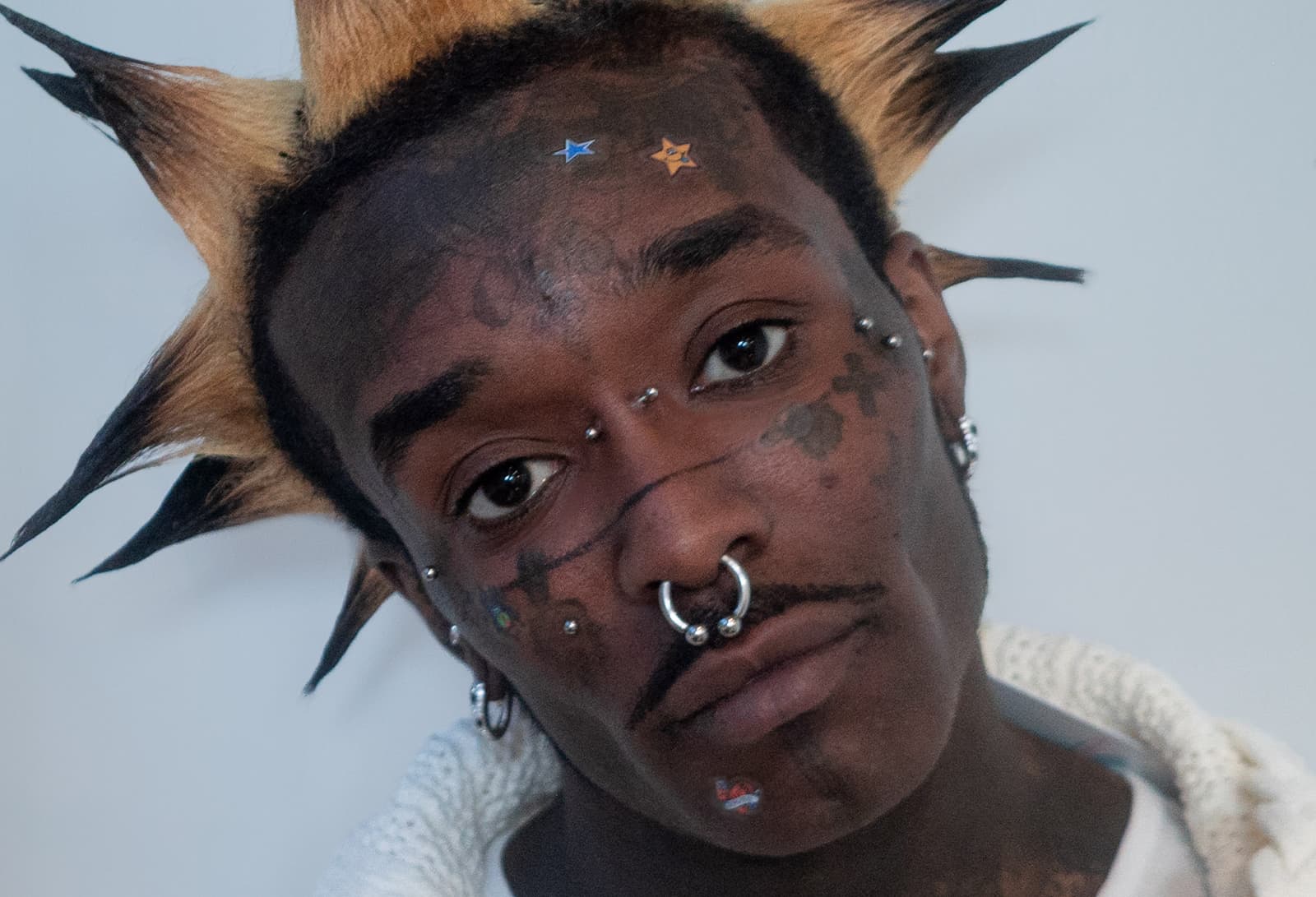
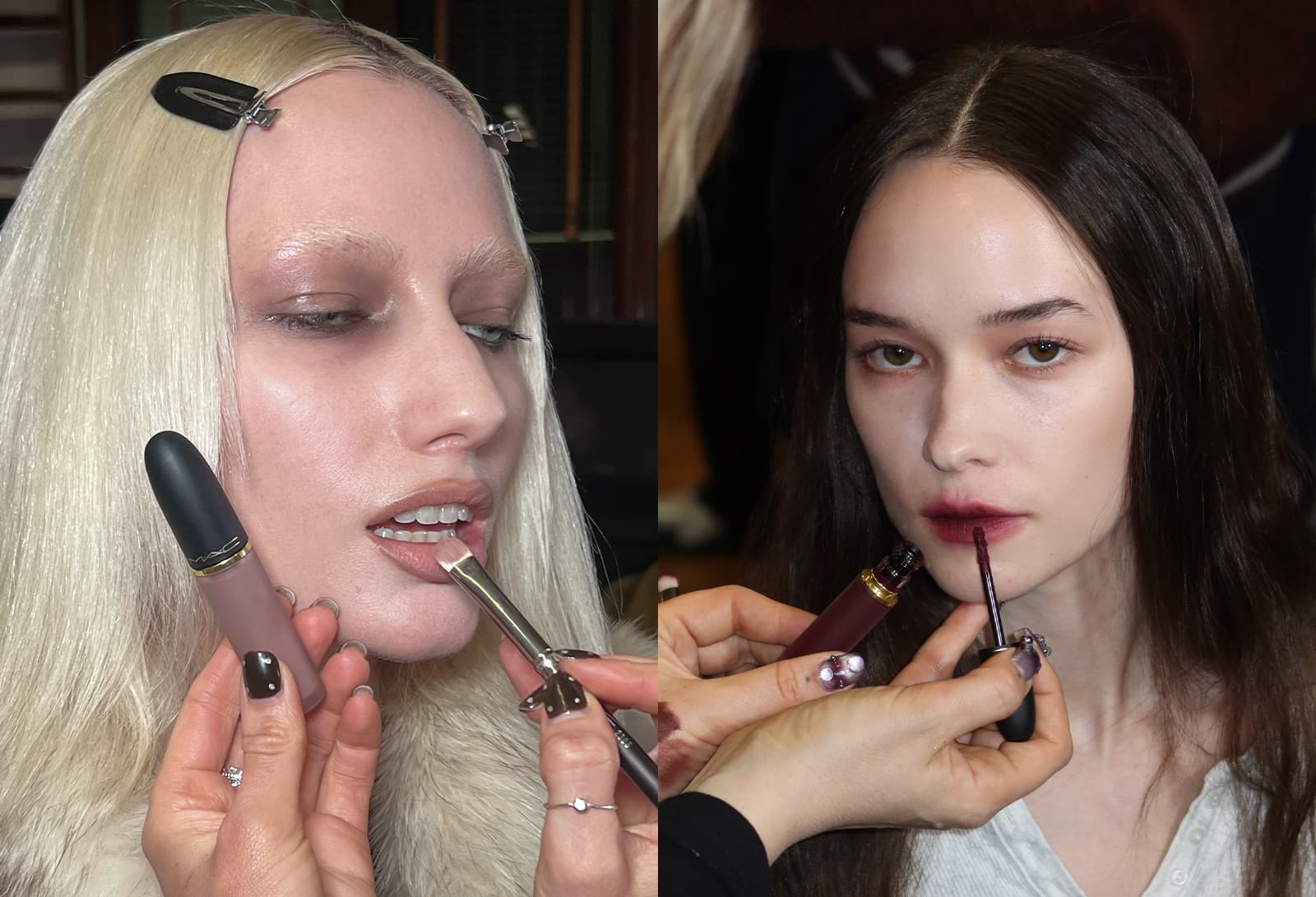
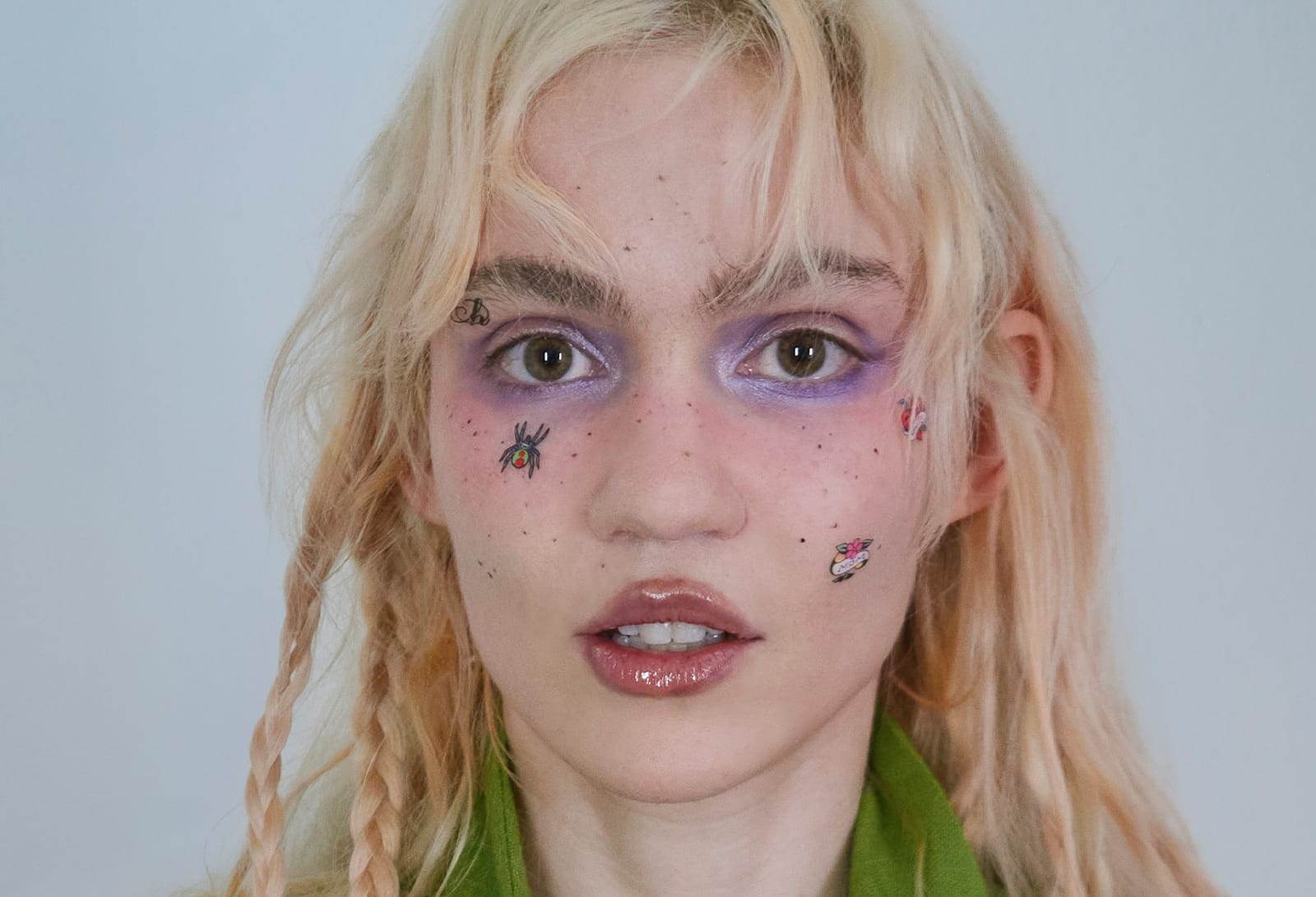
Unlike the anti-beauty ethos of the original grunge movement, today's version feels more intentional and commercially viable.
"There are many interpretations of the grunge aesthetic," said Payne. "Some are taking a decidedly more messy turn under the 'feral girl' trend, but there are examples that play on the cues of grunge—bleach and insouciance—but in a more refined way."
Rather than rejecting beauty altogether, Gen Z consumers are reworking grunge's visual codes through a contemporary lens. The result is less Courtney Love stumbling out of a club and more a carefully considered version of chaos.
Payne points to pencil-thin brows and kohl eyeliner, whether slick or intentionally smudged, as defining beauty markers of the trend. "This grungy zeitgeist will shift our beauty aesthetics to encompass more of the debaucherous sleaze, glittery horror-leaning makeup, and simmering insouciant cool currently exercised by ‘it girl’ Gabbriette and fetish-forward makeup artist and entrepreneur Isamaya Ffrench.”
For brands, the rise of grunge presents a challenge to one of beauty's oldest business models: selling perfection. Consumers still seek transformation, but increasingly they want beauty to facilitate experimentation rather than conformity.
"Transformation has always been the gift of beauty, and it will always be a draw," said Casey. "But today's consumer seeks it as a device for experimentation, for fun, for personal expression, and for exploration."
She compares modern beauty consumption to avatar creation in gaming culture, where identities are fluid and constantly evolving. "Beauty should offer us the same opportunities—ways to play, to experiment, and to express ourselves for the moment and the mood."
The implication for brands is significant. Rather than positioning products as pathways to perfection, brands are increasingly being asked to provide tools for self-expression. "Beauty brands need to delve deep into their own souls," said Casey. "What do they stand for? Why was the brand created?"
Payne agrees that authenticity is critical. To avoid feeling nostalgic or costume-like, she believes brands need to collaborate with creators and cultural figures who are actively shaping the movement. "Brands need to be inspired by or collaborate with the influencers and stars that are evolving this trend in a contemporary way," she said, pointing to figures such as Emma Chamberlain as examples of grunge's modern evolution.
The resurgence of grunge doesn't necessarily mean consumers are abandoning wellness, skincare, or minimalist beauty. Rather, it suggests they are seeking greater flexibility in how those ideals are expressed.
For brands that built their identities around clean beauty and aspirational wellness, the challenge will be evolving from prescription to permission. Consumers increasingly want products that support self-expression rather than enforce a singular vision of beauty.
That shift is already visible in the brands gaining cultural traction. Skincare brand 4AM Skin caters directly to nightlife culture, with products designed to help consumers look better after a hangover, positioning itself as an antidote to wellness-centric beauty messaging. China's Girlcult has cultivated a following through darkly whimsical packaging and subversive visual storytelling, while fragrance brand Noyz embraces emotional honesty with scents inspired by "raw feelings" and imperfect real-life experiences.
The opportunity for legacy beauty brands is not to suddenly adopt smudged eyeliner campaigns or grunge-inspired imagery. Instead, it is to recognize the deeper cultural forces driving the movement: a desire for authenticity, individuality, emotional connection, and relief from constant self-optimization.
As Casey argues, consumers are increasingly searching for the freedom to be themselves rather than idealized versions of themselves. The brands that succeed in this next chapter will be those that offer tools for experimentation, identity play, and self-discovery.
Beauty's grunge revival may be expressed through bleached brows, kohl liner, and lived-in textures, but its real significance lies elsewhere. Grunge’s new shift marks a move away from aspiration as the industry's primary currency and toward something more personal: self-expression. For brands built during the “clean girl” era, the question is no longer how to help consumers perfect themselves. It's how to help them become themselves.